


Lifestyle Factors That Contribute to Hair Loss
March 21, 2026

Overview
- This article explores the lifestyle factors that contribute to hair loss like chronic stress, poor nutrition and dieting, heat and styling damage, scalp health and hygiene, smoking and alcohol use, and sleep deprivation.
- Svenson offers different treatments suitable for various types and stages of hair loss, helping address concerns in a more targeted and personalized way.
Hair loss is not always caused by genetics or medical conditions alone; your everyday habits and environment can also play a major role in how healthy your hair looks and grows. These small, often unnoticed influences can gradually affect your scalp health and the strength of your hair over time.
If you want to understand what may be affecting your hair, here are the lifestyle factors that contribute to hair loss and how they impact healthier growth.
Common Lifestyle Factors That Contribute to Hair Loss

Your hair recovery journey starts with being familiar with the root cause of your hair loss. These may include:
Chronic Stress
Stress is something everyone deals with in daily life, but when it becomes constant or overwhelming, it can start affecting your hair health in ways you may not immediately notice. High stress levels increase cortisol in the body, which can disrupt the normal hair growth cycle and push more follicles into the shedding phase too early.
This often leads to increased hair fall, especially during washing or brushing, along with slower regrowth and reduced strand strength. Managing stress through healthy habits like regular exercise, proper sleep, deep breathing, or short breaks during the day can help restore balance and support healthier hair growth.
Poor Nutrition & Dieting
Your hair relies on a steady supply of nutrients like protein, iron, zinc, and vitamins to stay strong and actively grow. When you follow restrictive diets or consistently miss essential nutrients, your follicles become undernourished and produce weaker strands.
You might notice increased shedding, dullness, or hair that breaks easily even with minimal styling. In more prolonged cases, regrowth becomes slower and less dense because your body prioritizes vital organs over hair health. This makes consistent, balanced nutrition essential for maintaining healthy hair growth.
Hair Styling & Heat Damage
Frequent heat styling like blow-drying, straightening, or curling can gradually weaken your hair, especially without heat protection. Early signs include dryness, persistent frizz, split ends, or hair that breaks easily when brushed.
In some cases, strands may feel thinner in certain areas or the scalp may become more sensitive, signaling ongoing damage. The repeated exposure to high heat strips away your hair’s protective layer, making it more prone to breakage and reduced density over time.
Scalp Health & Hygiene
When there is excess oil, product buildup, flaking, or irritation in your scalp, it can clog follicles and disrupt healthy growth activity. You might notice itchiness, visible flakes on your shoulders, or hair that feels heavy and greasy shortly after washing.
On the other hand, an overly dry scalp can also lead to brittleness and shedding. If left unmanaged, these conditions create an unhealthy environment for your follicles, slowing down regrowth and weakening new strands as they emerge.
Smoking & Alcohol
Smoking reduces oxygen flow and blood circulation to your scalp, which means your hair follicles receive fewer nutrients needed for healthy growth. This can weaken follicle activity and slow down the natural regrowth process.
Alcohol, especially when consumed regularly, can also dehydrate the body and disrupt hormone balance, both of which directly affect hair health. This often shows up as dull, weaker strands, slower regrowth, and increased shedding. Eventually, these habits can affect scalp health and make it harder for follicles to stay active, leading to visible thinning.
Sleep Deprivation
Consistent lack of sleep affects your body’s ability to repair and regenerate, including your hair follicles. During deep sleep, your body restores cells and balances hormones that support hair growth. When you don’t get enough rest, this process is disrupted, leading to weaker follicles and increased shedding.
Early signs include hair on your pillows, slower regrowth, or hair that feels less full and vibrant. Poor sleep quality reduces the body’s time to repair and regulate the hair growth cycle, which can lead to more strands entering the shedding phase and weaker regrowth.
Why Professional Scalp Analysis Matters

Understanding your scalp health helps you address hair concerns more effectively instead of guessing what your hair truly needs.
- Importance of identifying the root cause – Knowing the exact cause of your hair issue allows you to target the problem directly rather than just treating the symptoms.
- Avoiding trial-and-error with random products – A proper scalp analysis helps you avoid wasting time and money on products that may not match your specific hair condition.
- How proper diagnosis leads to better results – When your condition is accurately diagnosed, your treatment becomes more focused, resulting in more consistent and effective outcomes.
How Svenson Can Help
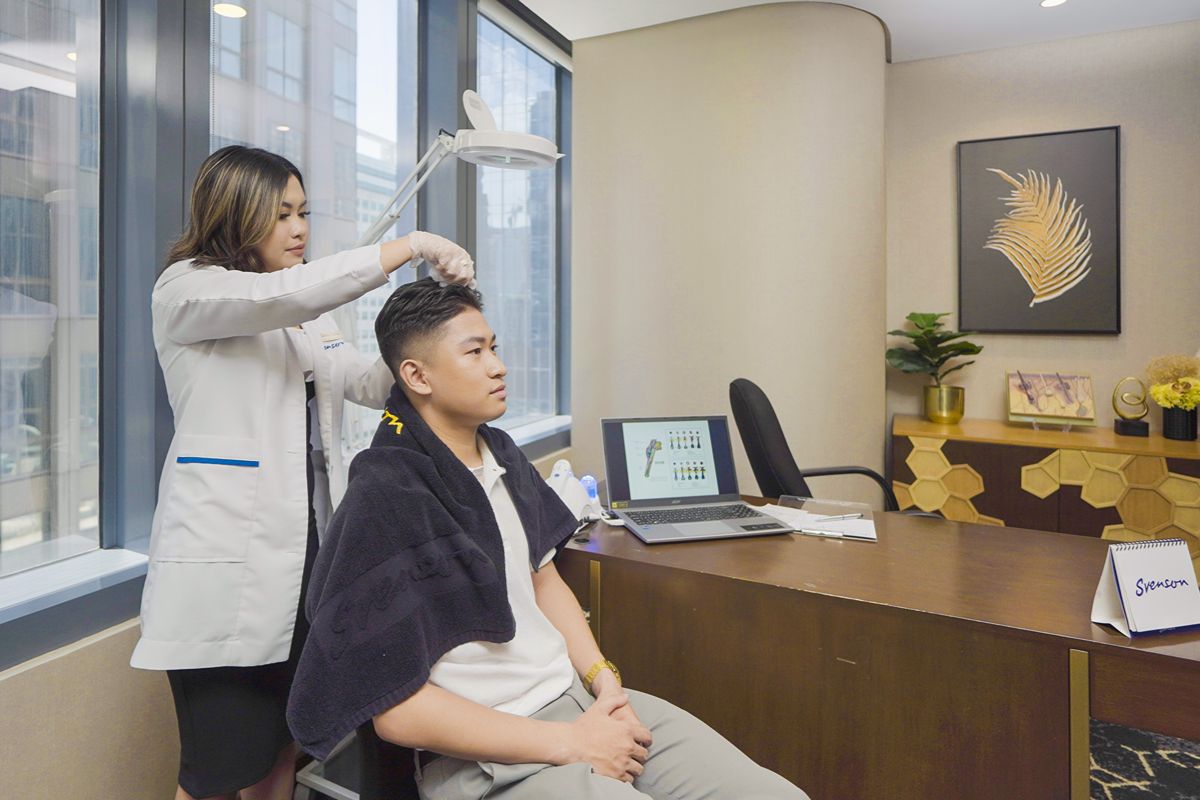
When dealing with hair loss, the right approach depends on your scalp condition, the stage of thinning, and your overall hair goals. At Svenson, our different treatment options are used to support your scalp health and address varying levels of hair loss in a structured way. Our specialists carefully assess your scalp condition and help tailor the most suitable treatment plan.
Key Takeaway
Learning the lifestyle factors that contribute to hair loss can help you see that your daily habits can have a real impact on your hair and scalp health. By becoming more aware of these triggers, you can take proactive steps to protect your hair, slow down unnecessary shedding, and support healthier growth moving forward.
If you’re noticing persistent thinning or changes in your hair despite adjusting your routine, Svenson is here to help. Love your hair. Book now! 💛
Related Blogs
July 15, 2026
How Professional Hair Transplant Procedures Deliver Natural Results
Learn how professional hair transplant procedures deliver natural results and discover Svenson's advanced hair restoration solutions.
Read More


July 11, 2026
Key Factors in Selecting a Trusted Hair Restoration Provider
Discover the key factors in selecting a trusted hair restoration provider and learn how Svenson delivers personalized hair restoration solutions.
Read More

July 8, 2026
How Advanced Scalp Treatments Improve Hair Follicle Activity
Learn how advanced scalp treatments improve hair follicle activity and how Svenson supports healthier hair growth.
Read More