


Understanding Hair Thinning and Early Treatment Options
February 2, 2026

Overview
- Hair thinning is a natural occurrence, but it’s understandable to be concerned by the changes it brings. These conditions are influenced by genetics and lifestyle, making early evaluation crucial for preserving hair quality.
- Identifying the underlying cause allows for targeted interventions, whether through restorative therapies or lifestyle adjustments.
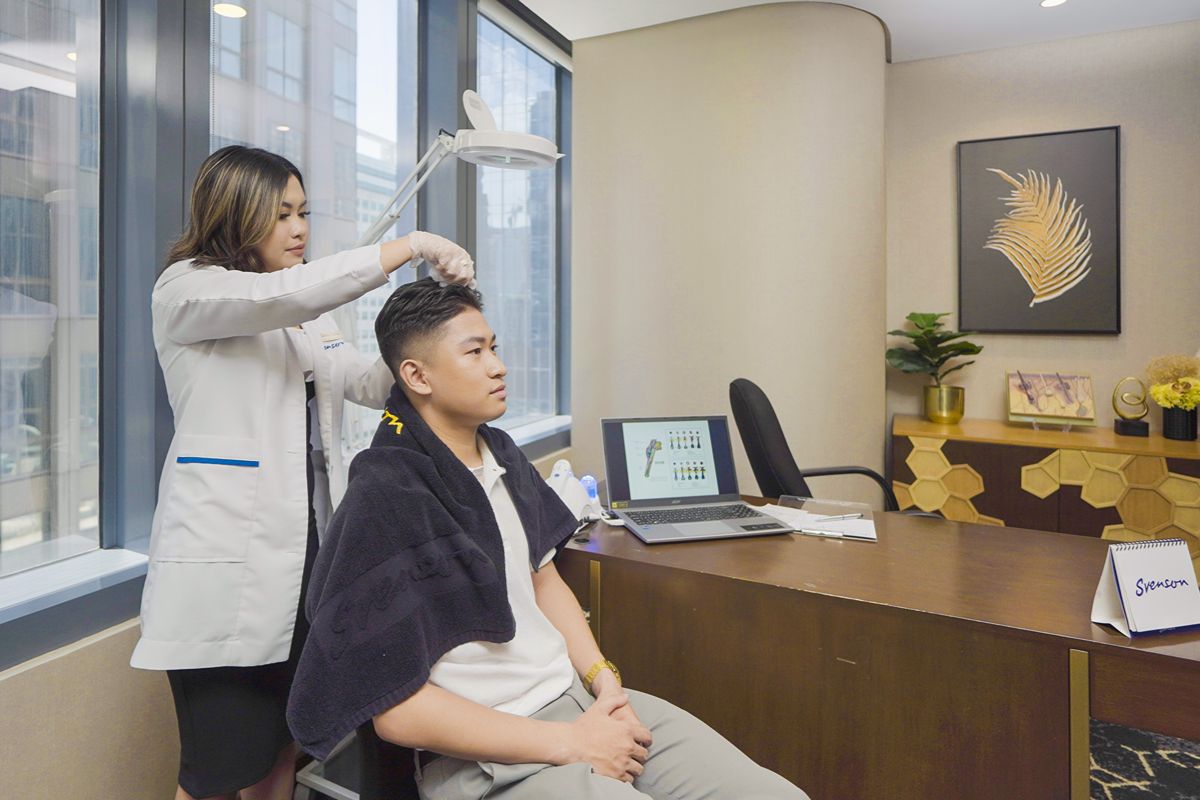
- Svenson’s expert trichologists provide comprehensive assessments and personalized strategies to maintain follicle health, promote natural growth, and prevent further thinning.
Hair thinning affects many people at different stages of life and can happen for various of reasons. While it’s a natural process, it’s understandable to feel concerned when you start seeing changes that you’re not used to. Understanding hair thinning and how it progresses can help you take proactive steps to prevent further loss.
Early attention can make a significant difference in maintaining your hair’s health. At Svenson, expert assessments and personalized recommendations help address your unique hair concerns. In this article, we’ll explore the key factors behind thinning hair and which early treatment options can support stronger, healthier hair.
Key Causes of Hair Thinning

A single factor rarely causes hair thinning. In many cases, it’s the result of multiple influences working together over time. Recognizing the root cause of hair thinning is an important first step in selecting a targeted and effective treatment approach. Below are the most common causes that affect hair growth.
Genetics (Androgenetic Alopecia)
The most common cause of gradual hair thinning is genetic sensitivity to hormones. Androgenetic alopecia makes follicles increasingly responsive to dihydrotestosterone (DHT), which shortens the growth phase and causes each new strand to grow finer than the last. Over time, this leads to visible thinning across specific areas of the scalp.
While this process is progressive, it is also manageable. Acting early helps you maintain hair density and prolong growth while your follicles are still active.
Stress (Telogen Effluvium)
Telogen effluvium occurs when an unusually high number of hairs enter the resting phase at the same time. This shift is often triggered by physical stress, illness, hormonal changes, or emotional strain, leading to noticeable shedding weeks or months later. The sudden nature of the thinning can feel alarming, even though the follicles themselves are usually healthy.
In many cases, this condition is temporary. Once the underlying cause is addressed, hair growth can return to normal. With proper assessment and care, you can support recovery and restore a healthy growth cycle.
Nutritional Deficiencies
Healthy hair growth depends on a steady supply of nutrients. Low levels of iron, protein, zinc, or certain vitamins can disrupt the cycle and lead to gradual thinning. These changes often develop quietly and may only become noticeable once density declines.
Addressing nutritional gaps can greatly improve hair quality when done correctly. With proper evaluation, deficiencies can be accurately identified. Guided by professional recommendations, targeted dietary adjustments and supplementation can help restore follicle strength and support more consistent hair growth.
Styling Damage
Frequent heat styling, tight hairstyles, and chemical treatments can place repeated stress on the hair and scalp. Over time, this can compromise hair strength and contribute to thinning.
How Does Hair Thinning Differ Between Men and Women?

Hair thinning occurs in both men and women, but the patterns, timing, and underlying causes differ. These differences affect how hair thinning appears and how it’s best managed early on.
Hair Thinning for Men: Men often experience a receding hairline or thinning at the crown due to androgenetic alopecia, specifically male-pattern baldness. Hormonal sensitivities gradually shorten the hair cycles and produce thinner, weaker strands. Early detection and treatment can help maintain density and slow progression before follicles become dormant.
Hair Thinning for Women: Women usually notice diffuse thinning across the scalp rather than a defined hairline recession. Hormonal changes, stress, or nutritional deficiencies can trigger shortened growth phases and increased shedding. Identifying the cause through scalp assessments allows trichologists to recommend precise interventions that promote healthier hair regrowth.
Early Treatment Options
With early intervention, healthy growth cycles become highly achievable. The following treatments are commonly used when follicles are still active and responsive.
Platelet-Rich Fibrin (PRF) Treatment
PRF therapy uses concentrated growth factors, platelets, and white blood cells from a small sample of your own blood to create a natural fibrin matrix. When applied to the scalp, it releases these nutrients gradually, supporting dormant follicles and enhancing the health of existing hair.
LED Light Therapy
Using low-level red or near-infrared light, LED light therapy stimulates cellular activity in the hair follicles, enhances blood flow, and enhances blood flow and boosts energy production within follicle cells, encouraging dormant follicles to re-enter the growth phase. Over time, this can improve hair density, thickness, and overall scalp health.
Exosome Therapy
Exosome therapy delivers regenerative signals derived from stem cells directly to the scalp to support follicle rejuvenation. These exosomes carry growth factors, proteins, and signaling molecules that encourage dormant follicles to become active. This therapy works at the cellular level, promoting natural regeneration.
Lifestyle and Preventive Care
Lifestyle choices play a significant role in how well hair responds to treatment and maintenance. Simple daily habits can either support follicle health or accelerate thinning over time.
Preventive care focuses on protecting follicles and maintaining a healthy scalp environment. Key practices include:
- Dietary changes
- Scalp massage
- Gentle styling
- Stress management
Book a Hair Treatment Consultation From Experts at Svenson
Visiting Svenson allows you to receive a professional, personalized evaluation of your hair and scalp. Our expert trichologists design tailored treatment plans, combining advanced therapies and professional guidance to support lasting results.
Every consultation is handled with care and discretion to ensure you feel confident and well-informed throughout the process. From initial assessment to follow-up, we prioritize both consistent hair health and your lasting peace of mind.
Key Takeaway
Understanding hair thinning allows you to address changes before they become difficult to reverse. When guided by accurate diagnoses and professional expertise, early treatment options become significantly more effective.
Partnering with Svenson gives you access to trusted specialists who can provide personalized solutions for your hair condition. Book a consultation today to begin your assessment and take the first steps towards stronger, healthier hair.
Related Blogs
July 15, 2026
How Professional Hair Transplant Procedures Deliver Natural Results
Learn how professional hair transplant procedures deliver natural results and discover Svenson's advanced hair restoration solutions.
Read More


July 11, 2026
Key Factors in Selecting a Trusted Hair Restoration Provider
Discover the key factors in selecting a trusted hair restoration provider and learn how Svenson delivers personalized hair restoration solutions.
Read More

July 8, 2026
How Advanced Scalp Treatments Improve Hair Follicle Activity
Learn how advanced scalp treatments improve hair follicle activity and how Svenson supports healthier hair growth.
Read More