


What You Need to Know about Scalp Psoriasis
July 25, 2024

Ever noticed too much dandruff on your scalp that causes severe itching and discomfort? It might be scalp psoriasis already.
Scalp psoriasis might look a lot like bad dandruff, but it’s more complicated than that. This pesky skin issue hides beneath your hair, creating unique challenges that aren’t typical with psoriasis on other parts of your body.
In this blog, we’re diving into what makes scalp psoriasis tick—what it is, how it stands out from other types of psoriasis, and the main symptoms to keep an eye on. We’re here to arm you with all the right information, making it a little easier to identify and manage this tricky skin condition.
What is Scalp Psoriasis?
Psoriasis is a skin condition that can pop up virtually anywhere on your body. However, when it decides to settle on the scalp, we refer to it specifically as scalp psoriasis.
Many people ask, is scalp psoriasis different from regular psoriasis?
Yes, scalp psoriasis is a specific manifestation of the general condition, but it does have some unique characteristics that distinguish it from psoriasis occurring in other parts of the body.
When it comes to their similarity, both are conditions characterized by the rapid buildup of skin cells. This rapid turnover leads to the thick, silvery, scaly patches associated with psoriasis.


Their distinction, on the other hand, can be influenced by the following elements:
- Location and Spread: Scalp psoriasis is, as the name suggests, primarily located on the scalp, though it can spread to the forehead, back of the neck, and area behind the ears.
- Treatment Complexity: Scalp psoriasis treatment can be more challenging than treating psoriasis on other parts of the body due to the presence of hair. The hair can obstruct topical medications from reaching the scalp surface and complicate the application of creams and ointments.
- Skin Thickness: The skin on the scalp is generally thicker than in other areas, which may influence how symptoms appear and how effective certain treatments are.
Understanding the nature of this condition and acknowledging its tendency to spread to nearby areas is crucial for effective management and treatment.
What are the Symptoms of Scalp Psoriasis?
Scalp psoriasis comes with a variety of symptoms that can range from mild to severe, impacting daily life in several ways:
- Reddish Patches: These can vary widely, from subtle, barely noticeable spots to thick, inflamed areas that are hard to ignore. These patches may also spread beyond the hairline to areas like the forehead and the nape of the neck. The spreading makes this symptom more visible.
- Dandruff-like Flaking and Silvery-White Scale: While it may look similar to dandruff, scalp psoriasis is characterized by a unique silvery sheen and dry scaling that sets it apart.
- Extremely Dry Scalp: This is a common sign of scalp psoriasis. The dryness can escalate to the point where the skin might crack and bleed, adding to the discomfort.


- Itching: This is also one of the most common symptoms, ranging from mild to severe. Intense itching can interfere significantly with daily activities and disrupt sleep.
- Bleeding: The intense itch often leads to scratching, which can cause the scalp to bleed. Furthermore, scratching tends to worsen the condition, making the patches larger and thicker.
- Burning Sensation or Soreness: The affected areas may feel sore or burn, which can be quite uncomfortable.
- Temporary Hair Loss: In some cases, scratching or forcefully removing the scale can lead to hair loss. Thankfully, hair usually grows back once the psoriasis is under control.
These symptoms of scalp psoriasis can fluctuate, with some people experiencing only occasional mild flare-ups, while others may endure frequent and severe bouts. Various factors, including stress, cold weather, and dry air, can trigger these flare-ups, making management a dynamic challenge.
How is Scalp Psoriasis Diagnosed?
If you notice scalp psoriasis signs occurring, the best way to deal with it is to go to a hospital or skin clinic and see a doctor.
Your chosen physician will assess your scalp and the rest of your skin for indications of psoriasis. Additionally, they will inquire about your symptoms, family medical history, and any recent changes in medication or hair products before your flare-up.
If things still aren’t clear from the initial checkup, your doctor might take a small skin sample from your scalp. This biopsy can help confirm whether it’s really psoriasis or something else, like a fungal infection or another skin condition. Other tests for scalp psoriasis include allergy tests and blood tests. Once they’ve nailed down the possible causes of scalp psoriasis, they can guide you toward the best treatment options to manage your symptoms effectively.

Understanding Scalp Psoriasis the Key to Managing It
Do you feel like you have the symptoms of scalp psoriasis? If you do, then recognizing the condition’s complexities will help you prepare for its management. Remember, psoriasis on the scalp is more than just an unruly dandruff issue. It needs careful attention and the prper diagnosis before you start any treatment.
So, remember the signs you need to watch out for:
- reddish patches
- dandruff-like flaking
- dry scalp
- itching and discomfort
- bleeding and soreness
- temporary hair loss
If you notice these on your scalp, the best course of action is to seek a doctor. They will provide you with the right tests to properly acknowledge the possible skin condition. Regular consultation and careful monitoring of the condition can significantly aid in maintaining control over symptoms and improving quality of your life.
Read More About Scalp Psoriasis
Are you ready to talk to an expert?
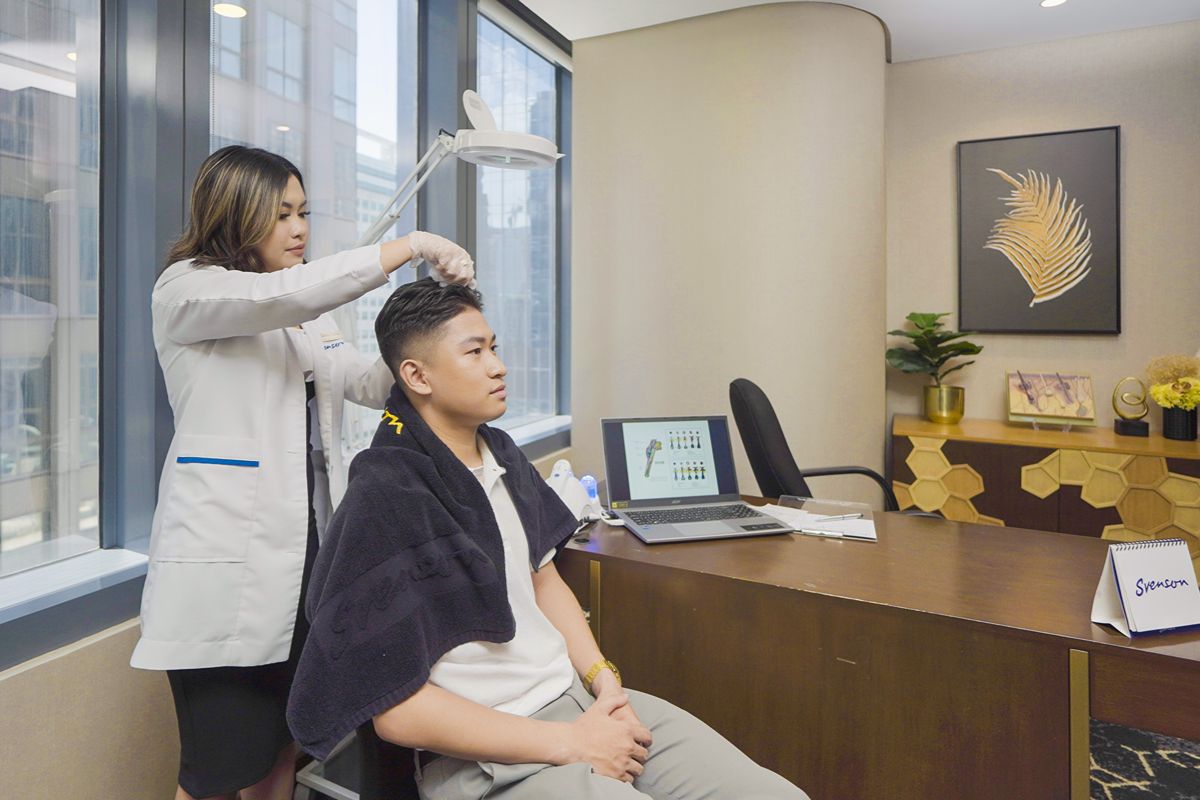
Let our highly qualified trichologists examine your hair and scalp and recommend the best treatment for you. Schedule your appointment today!
Related Blogs
July 15, 2026
How Professional Hair Transplant Procedures Deliver Natural Results
Learn how professional hair transplant procedures deliver natural results and discover Svenson's advanced hair restoration solutions.
Read More


July 11, 2026
Key Factors in Selecting a Trusted Hair Restoration Provider
Discover the key factors in selecting a trusted hair restoration provider and learn how Svenson delivers personalized hair restoration solutions.
Read More

July 8, 2026
How Advanced Scalp Treatments Improve Hair Follicle Activity
Learn how advanced scalp treatments improve hair follicle activity and how Svenson supports healthier hair growth.
Read More